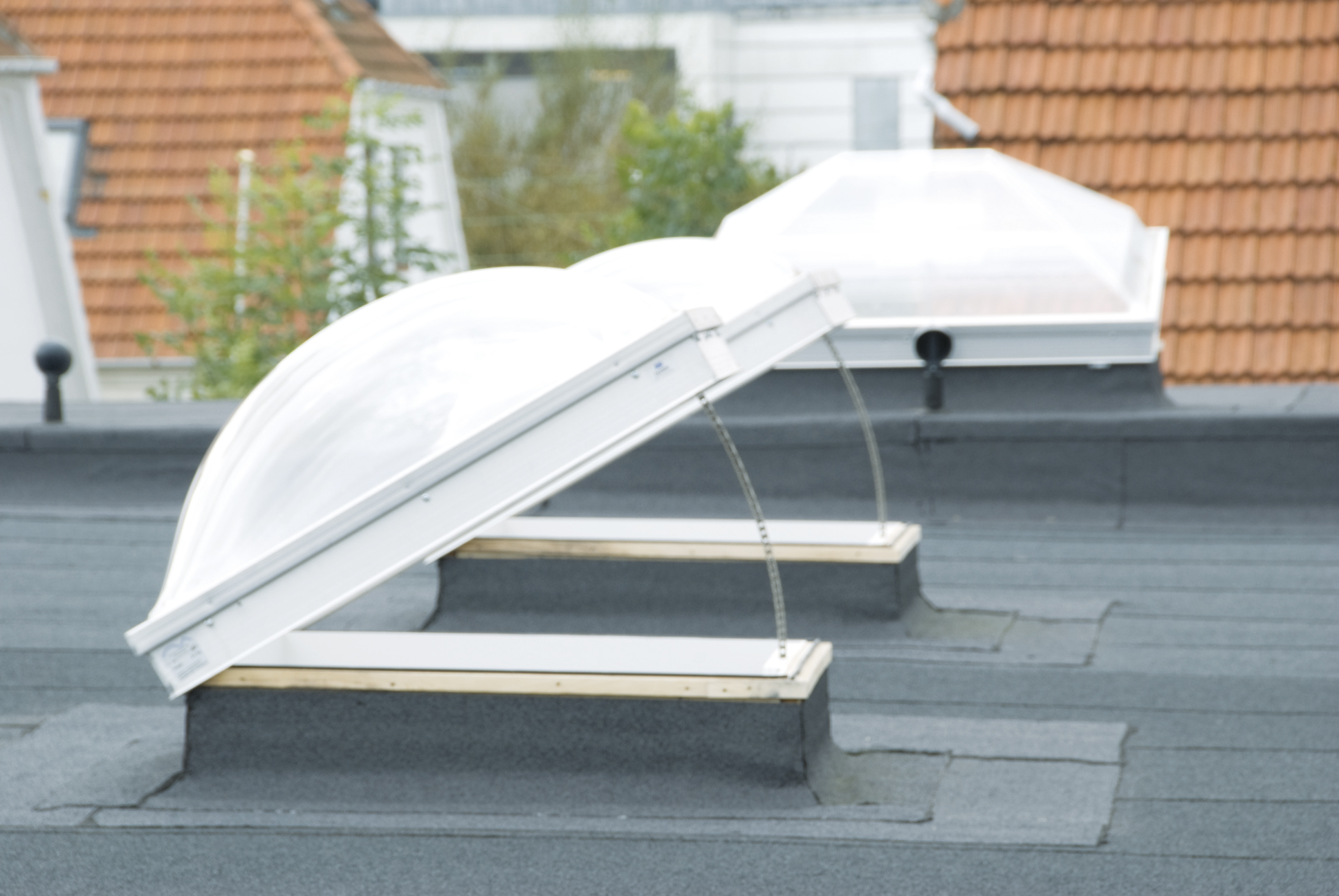
In modern building design, smoke vents play a crucial role in safeguarding occupants while maintaining healthy indoor environments. By installing smoke vents in windows, buildings can automatically release smoke and heat in the event of a fire, protecting escape routes, improving visibility for firefighters, and reducing the risk of structural damage. At the same time, many smoke ventilation solutions also contribute to daily airflow and energy efficiency, linking fire safety with overall building performance. This article explores the growing importance of smoke vents, highlighting new trends, evolving regulations, and innovative materials shaping the market. We also look at how we develop smoke control systems that combine compliance, intelligent automation, and long-term reliability – ensuring buildings are safer and better prepared for future demands.
What are smoke vents for, and why are they essential?
Smoke vents, often referred to as automatic opening vents (AOVs) or natural smoke and heat exhaust ventilators (NSHEVs), are life-saving components in modern buildings. These systems are designed to automatically open when a fire is detected, releasing smoke and heat from the interior to the outside. By doing so, they create clear escape routes, protect building occupants, and significantly improve visibility for firefighters working in dangerous conditions. Whether integrated into roofs or designed as smoke vent windows, these systems are a core part of a building’s overall fire strategy, ensuring that stairwells, escape corridors, and assembly areas remain usable during an emergency. They are typically installed in locations such as stairwells, corridors, flat roofs, factories, and large commercial spaces, where the safe evacuation of many people must be guaranteed. Beyond immediate safety, smoke vents also help limit structural damage and maintain compliance with strict smoke control regulations, making them essential for both property protection and human safety.

How do smoke vents stay compliant with fire safety regulations?
The design and installation of smoke vents are heavily influenced by building regulations and fire safety standards. Under the Construction Products Regulation (CPR), all AOVs must be CE marked, demonstrating that they meet strict performance and safety requirements. In the UK, Approved Document B provides additional guidance on where smoke ventilation systems are required and how they must be designed to support safe evacuation. For the responsible person, compliance does not end with installation. Ongoing testing, maintenance, and repairs are essential to ensure that smoke control systems perform correctly in the event of an emergency. Regular inspections help maintain reliability and reduce risk. At WindowMaster, our range of smoke control panels, actuators, and ventilators is engineered for long-term performance and regulatory compliance. By combining proven technology with intelligent automation, we provide building owners with solutions that not only meet standards today but also support evolving safety expectations in the future.

Which smoke vent solutions does WindowMaster offer today?
At WindowMaster, we provide a comprehensive range of smoke vents and control systems designed to meet both safety regulations and practical building needs. Our portfolio includes solutions for flat roofs, stairwells, corridors, and large commercial spaces. We also support projects where a smoke vent in existing windows is required, making it possible to retrofit safety measures without replacing the whole façade. This approach ensures compliance with fire safety standards while maintaining architectural integrity.
One of our most versatile products is FlexiSmoke™, a modular smoke control panel that can be scaled to almost any project. It supports both natural smoke ventilation and comfort ventilation, integrates with sensors, and features battery backup for reliable operation in the event of a power failure. Its flexibility makes it suitable for complex or multi-zone buildings. For smaller or more straightforward applications, CompactSmoke™ offers a simple yet powerful solution. This compact panel is typically installed in stairwells or corridors and is CE-marked according to the Construction Products Regulation. It provides fast, reliable activation of AOVs during a fire, supporting both compliance and safety.
By combining these control systems with our window actuators and AOV smoke vent products, we deliver integrated smoke control systems that not only meet today’s fire safety requirements but also enhance everyday ventilation performance.
What trends are shaping the future of smoke ventilation systems?
In recent years, smoke ventilation systems have evolved beyond their role as pure fire safety measures. A growing trend is the integration of daily ventilation functions, allowing smoke vents to support everyday airflow and comfort while remaining ready for emergency operation. This dual functionality means that AOVs are no longer seen only as safety devices, but as part of a building’s overall ventilation strategy. Technological innovation is also driving change. Modern control panels can link smoke vents with sensors that monitor wind, rain, and CO₂, while battery backup ensures reliable performance even if the main power supply fails. These intelligent systems deliver both compliance and convenience for the responsible person managing building safety. Another noticeable trend is the shift toward materials and design that balance functionality with aesthetics. Many AOV smoke vent products are now built with insulated aluminium frames, offering energy efficiency, durability, and a more discreet appearance. With stricter regulations in place, demand for smoke and heat exhaust solutions is rising in commercial buildings and industrial sites. We continue to innovate in this space, providing AOV systems that combine compliance, performance, and smart automation to meet the needs of modern construction.

How will smoke vents evolve in the buildings of tomorrow?
The future of smoke vents lies in smarter, more connected systems. Integration with IoT platforms, heat control systems, and building management systems (BMS) will allow every automatic opening ventilator to respond instantly to fire events while also supporting natural ventilation for daily comfort.
We can also expect advances in materials and design – lighter frames, improved insulation, and solutions that adapt to an existing window without compromising aesthetics. A continued focus on optimising the free area for smoke release will ensure both compliance and safe escape during emergencies. With intelligent switch options and adaptable system forms, we are leading the way in developing automated solutions that meet tomorrow’s fire strategies while delivering healthier indoor environments.
Ready to secure your building with certified smoke vents?
Smoke vents are more than a fire safety requirement – they are an essential part of modern ventilation systems. Installing smoke vent windows gives building occupants a safer environment, combining fire protection with natural ventilation for daily use. Choosing CE-marked and tested solutions ensures both compliance and long-term reliability. At WindowMaster, we deliver smoke ventilation systems tailored to your project, combining automation, safety, and healthy buildings. Contact us today to discuss how our experts can design a system that protects people, property, and performance.
Contact us today
Who installs smoke vents?
Smoke vents are installed by certified contractors or specialist companies experienced in fire safety and ventilation systems. Installation must comply with national fire regulations and product standards, such as CE marking under the Construction Products Regulation. Many projects rely on suppliers like WindowMaster, who not only deliver products but also provide guidance, commissioning, and maintenance.
What is a smoke vent window?
A smoke vent window is a specially designed window that opens automatically during a fire to release smoke and heat. Fitted with actuators or automatic opening ventilators (AOVs), it creates a free area for smoke to escape, keeping escape routes clear. Smoke vent windows can also double as natural ventilation openings during daily building operation.
What is a smoke window?
A smoke window is another term for a smoke vent window, used to provide safe escape routes during a fire. Equipped with an actuator or AOV system, it opens automatically in response to fire alarms or control panels. Beyond emergencies, smoke windows are often integrated into modern building designs to support both fire safety and natural ventilation.