
In modern building design, window automation is transforming the way we think about comfort, safety, and energy performance. By replacing manual operation with smart, automated solutions, buildings can optimise air quality, support natural ventilation, and reduce reliance on traditional mechanical ventilation systems. At its core, window automation uses advanced window actuators and intelligent control systems to regulate how and when windows open or close. Whether responding to temperature, CO₂ levels, or user commands, automated windows create healthier indoor environments while improving energy efficiency. In this article, we explore what window automation is, how it works, and why it matters for today’s buildings. We also look at the latest market trends and how WindowMaster’s innovative solutions help bring smarter, adaptive ventilation strategies to life.
What is window automation, and how does it work?
At its simplest, window automation refers to the use of motorised systems that open and close windows without manual effort. Instead of relying on handles or cranks, buildings can integrate window actuators – devices such as chain drives, spindle actuators, or scissor action mechanisms – to move windows smoothly and safely. These actuators are mounted either discreetly within the window profile or surface-mounted, depending on the design and performance requirements. The operation of automated windows is controlled by advanced control systems, which can connect to sensors, remote control devices, or building management systems. This means that windows respond automatically to factors such as temperature, CO₂ concentration, or humidity, ensuring a steady flow of fresh air while preventing excess energy use. For projects ranging from sash windows in heritage buildings to hard-to-reach skylights in modern architecture, automation provides a reliable way to maintain both comfort and compliance.
5 things to consider for window actuator selection
The benefits of window automation in modern buildings
The advantages of window automation go far beyond convenience. By intelligently controlling how and when windows open, buildings can improve indoor air quality, reduce energy consumption, and create healthier indoor environments. Automated windows allow precise regulation of fresh air supply, replacing stale air with outdoor air at the right times – whether during the day for comfort or at night for night cooling.

Making buildings safer and more accessible
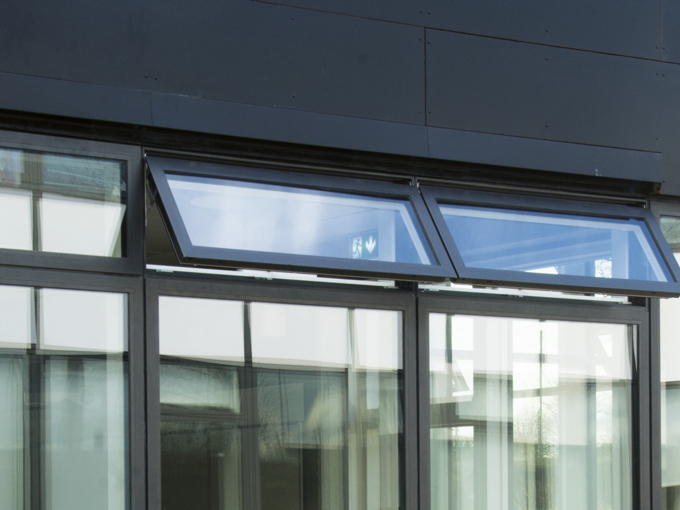
One of the most significant benefits is in spaces where manual operation is impractical. Hard-to-reach windows, roof vents, and side hung windows can all be operated effortlessly using electric actuators, ensuring accessibility and safety. Automated solutions are equally valuable in older buildings with sash windows, where retrofitting actuators can modernise performance without altering architectural character.
Window automation also supports compliance and safety in smoke ventilation applications, where windows must open instantly in case of emergency. Beyond safety, it contributes to energy-efficient strategies by reducing reliance on mechanical ventilation systems and integrating with natural ventilation systems to cut overall energy use. With solutions such as WindowMaster’s NV Embedded® control system, automated windows can be tailored to meet user needs, building design, and regulatory requirements – delivering both comfort and performance in modern buildings.
Window automation and safety compliance
Automated window systems are not only about comfort and energy efficiency – they also play a crucial role in building regulations and safety standards. Modern solutions are designed to meet strict requirements for closing force, required force, and pressure safety function, ensuring that windows operate reliably without creating security risks for occupants. In emergency situations, particularly smoke ventilation applications, window automation is essential. When paired with certified control systems, actuators can automatically open vents and windows to release smoke and heat, creating clear escape routes and improving visibility for firefighters. This makes them an integral part of a building’s overall fire safety strategy. Another key factor is power supplies. Many systems are based on 24V DC and include battery backup, guaranteeing operation even in the event of a power failure. This ensures compliance with safety regulations while maintaining performance under critical conditions. At WindowMaster, our portfolio of smoke and heat ventilation control systems is CE-marked and tested to meet international standards, helping building owners ensure that their window automation solutions deliver both performance and compliance over time.
Our portfolio of smoke and heat ventilation control systems
Design considerations and actuator types
Successful window automation depends not only on choosing the right technology but also on careful design and installation. Each project comes with unique requirements – ranging from window size and orientation to façade aesthetics and safety needs. Selecting the right actuator and mounting arrangement ensures reliable operation while maintaining visual harmony with the building.

Choosing the right actuator for the application
Chain drive actuators are among the most commonly used due to their compact design, durability, and suitability for side-hung windows or skylights. For heavier applications or where a longer opening stroke is needed, spindle actuators or scissor action mechanisms provide higher load capacity. In cases where multiple actuators are required on a single window, synchronised actuators ensure smooth and safe operation without overstressing the frame. Practical details also matter. The use of window actuator brackets and the choice between surface-mounted or concealed solutions affect both installation flexibility and the visual impact of the system. Calculations around the geometric free area and the single pull point help ensure the actuator provides the required force to achieve the desired airflow or smoke clearance. To simplify this process, we offer tools like the Actuator Finder, helping specifiers identify the most suitable solution based on window profiles, load, and opening distance.
Actuator Finder
Trends shaping the future of window automation
The future of window automation is shaped by innovation, tighter regulations, and growing expectations for smarter, more sustainable buildings. Designers and facility managers are looking for solutions that not only improve comfort but also enhance safety, reduce costs, and optimise overall building performance.
A clear trend is the development of smarter actuator operation. From single window actuators in small projects to high load applications in large façades, automation is becoming more adaptable to window orientation, outward opening designs, and opening vents in both commercial and residential buildings. Modern actuators feature draw wires, improved wiring options, and motors engineered to deliver precise movement at the leading edge of the window – while also helping to reduce noise during operation.
Integrating automation into smarter building strategies
Another trend is the growing role of automated natural ventilation as part of hybrid ventilation strategies. Automated window openers now link seamlessly with control systems, allowing windows and vents to respond to warm air build-up, changes in occupancy, or environmental conditions. This creates cost-effective solutions that minimise reliance on mechanical cooling while supporting regulatory compliance. WindowMaster is at the forefront of these innovations. With products designed for high-level applications, tailored form factors, and strong technical support, our team ensures that projects benefit from a common sense approach – delivering both efficiency and long-term value.
How WindowMaster supports your project
At WindowMaster, we transform the idea of window automation into practical, future-ready solutions. Our portfolio covers everything from single window actuators to complete control systems for large façades, enabling architects, engineers, and facility managers to integrate smart automation into their projects. Whether the challenge is high-level skylights, outward-opening windows, or door and vent automation, we provide tailored solutions that balance building performance, energy efficiency, and safety. Our actuators are available in multiple designs, including chain drives, spindle actuators, and synchronised systems for high load applications, ensuring reliable performance across a wide variety of window types. Equally important is our support. From the initial design phase through installation and beyond, our team delivers expert technical support and guidance on compliance with building regulations. This means our clients not only achieve effective actuator operation but also benefit from solutions that enhance safety, efficiency, and long-term value.

Improve your buildings through window automation
Window automation is no longer a luxury – it is a necessity for modern buildings aiming to balance comfort, safety, and energy performance. By integrating intelligent window actuators, advanced control systems, and adaptive strategies such as automated natural ventilation, buildings can achieve healthier indoor environments while reducing reliance on mechanical systems. At WindowMaster, we combine innovative technology with a common sense approach to help you design solutions that truly fit your project. Contact our team today to explore how we can bring smarter, more efficient, and future-ready window automation to life in your building.
Contact us today
How do I set up automation in windows?
Setting up window automation involves installing electric window actuators and connecting them to a suitable control system. Actuators can be surface-mounted or concealed within the frame, while controls may include sensors, wall switches, or remote systems. When integrated, the windows open and close automatically in response to temperature, CO₂, or safety requirements, ensuring better air quality and energy efficiency.
What is an automatic window opener?
An automatic window opener is a motorised device – often using chain drives, spindle actuators, or scissor mechanisms – that opens or closes windows without manual effort. Controlled by switches, sensors, or a building management system, it allows windows to respond to environmental conditions like heat or CO₂ build-up. Automatic openers are widely used in natural ventilation, smoke ventilation, and energy-efficient building designs.