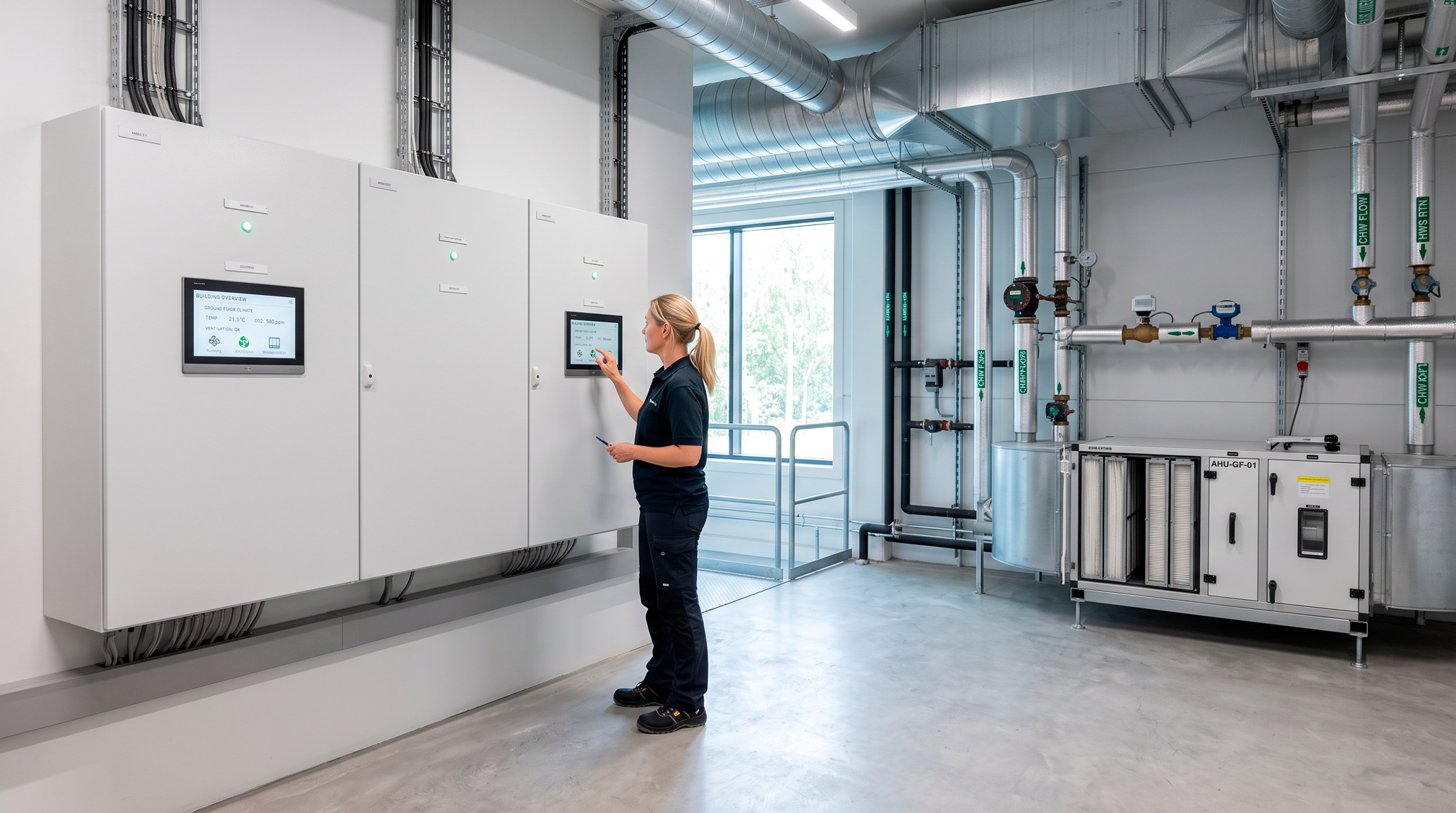
A building is made up of many systems working behind the scenes to keep people comfortable, safe, and productive. Heating, ventilation, cooling, lighting, alarms, and energy systems all play an important role, but managing them separately can make it difficult to understand how the building is really performing. A building management system brings these systems together in one central platform. It gives facility teams a clearer overview of daily operations, helps them respond to changing conditions, and makes it easier to use energy and equipment more efficiently. When used well, a BMS can support better comfort, lower operating costs, improved maintenance, and more reliable building performance.
What is a building management system?
A building management system, often shortened to BMS, is a centralised system used to monitor, control, and manage the technical systems within a building. It brings different building functions together in one platform, making it easier for facility teams to oversee how the building is performing.
A BMS is commonly connected to systems such as heating, ventilation, air conditioning, lighting, energy meters, alarms, and sometimes security or access control systems. By collecting data from sensors and equipment, the system can help adjust settings, identify faults, and ensure that building systems operate efficiently. In this way, a BMS supports comfort, energy performance, safety, and day-to-day building operations.

How a BMS Works
A building management system works by collecting information from different parts of a building and using that data to monitor and control technical systems. Sensors placed throughout the building measure conditions such as:
- Temperature
- Humidity
- Occupancy
- Air quality
- Lighting levels
- Energy use
This information is sent to controllers, which process the data and compare it with the desired settings or schedules. Based on this, the BMS can automatically adjust equipment such as heating, cooling, ventilation, lighting, pumps, or fans to keep the building operating efficiently and comfortably.
Facility managers and operators can monitor the system through dashboards or user interfaces, where they can view performance, receive alarms, change settings, and identify potential faults. In this way, a BMS helps buildings respond to changing conditions while giving operators a clear overview of how the building is performing.
Key systems connected to a BMS
A building management system can be connected to many of the technical systems that keep a building running. One of the most common integrations is with HVAC systems, including heating, ventilation, and air conditioning, which allows the BMS to monitor temperatures, airflow, and system performance. It may also control lighting systems, helping to adjust lighting based on schedules, occupancy, or daylight levels. Energy meters are often connected to track electricity, heating, cooling, or water consumption and provide insight into how efficiently the building is operating. A BMS can also monitor and control equipment such as pumps, fans, boilers, chillers, and other heating and cooling systems. In some buildings, it may be integrated with fire alarms, safety systems, access control, security systems, and water systems. By bringing these systems together in one platform, a BMS gives facility managers a clearer overview of building performance and makes it easier to identify faults, optimise operation, and maintain a safe and comfortable indoor environment.
Benefits of a building management system
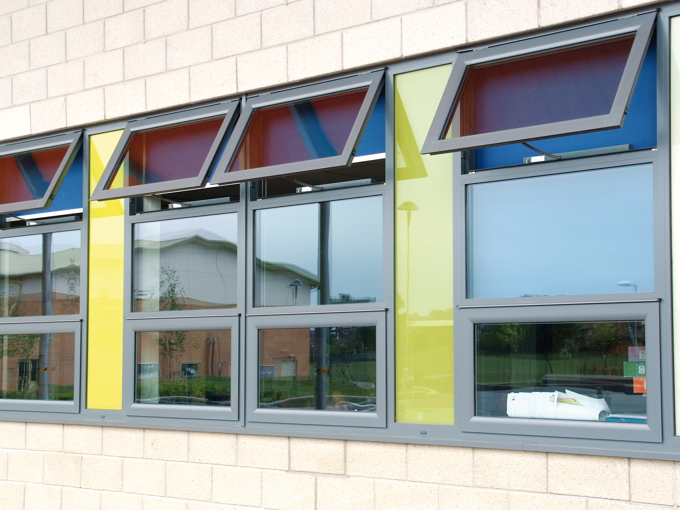
A building management system can provide several important benefits for both building owners, facility managers, and occupants. One of the main advantages is improved energy efficiency, as the system can help reduce unnecessary energy use by adjusting heating, cooling, ventilation, and lighting based on schedules, occupancy, and real-time conditions. This can also lead to lower operating costs, as equipment is used more efficiently and problems can be identified before they become expensive. A BMS can improve indoor comfort by helping maintain stable temperatures, good ventilation, and appropriate lighting levels throughout the building. It also makes monitoring and maintenance easier by giving facility teams access to data, alarms, and system performance from one central platform. Faster fault detection means that issues with pumps, fans, boilers, sensors, or HVAC systems can be addressed more quickly. Overall, a well-functioning BMS helps improve building performance by giving operators better control, better insight, and better opportunities to optimise daily operations.

Things to be aware of when using a BMS
A building management system can bring significant value to a building, but to get the best results, there are a few important things to be aware of. The system should be set up correctly from the beginning, with clear settings, reliable sensors, and good integration between the different building systems. Regular maintenance is also important to ensure that sensors, controllers, and equipment continue to provide accurate data and perform as expected.
Because a BMS can collect large amounts of information, it is useful to focus on the data that matters most for comfort, energy use, and building performance. Integration between different systems and suppliers should also be considered, so the platform works smoothly as one connected solution. Cybersecurity is another important area, especially when the system allows remote access or is connected to wider networks.
Finally, a BMS delivers the most value when operators are trained and use the system actively. With the right setup, maintenance, and attention, a BMS can become a powerful tool for improving efficiency, comfort, and daily building operations.