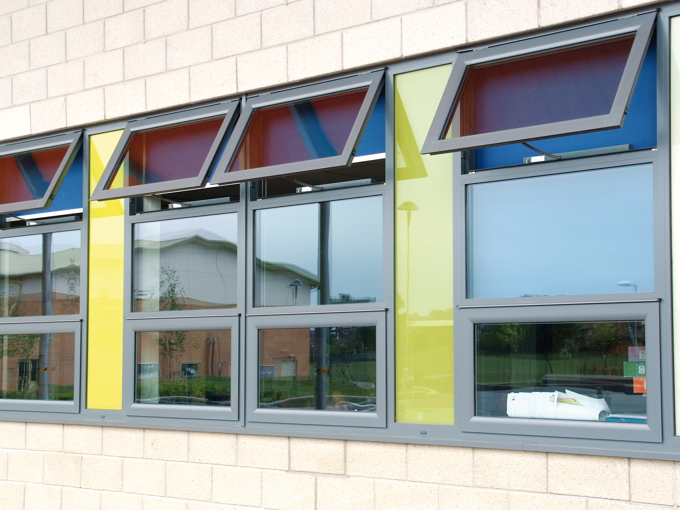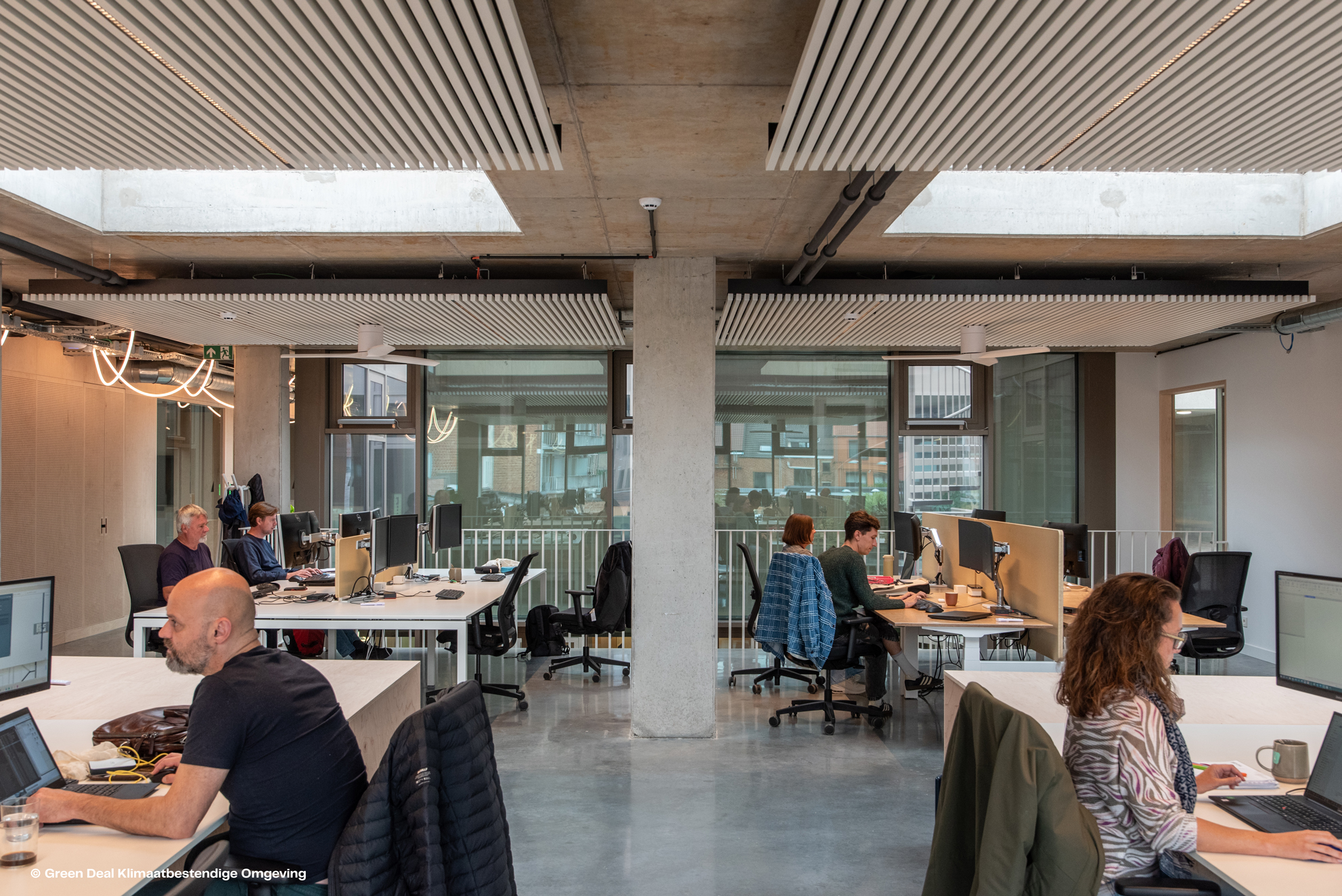
Indoor environments can have a greater impact on well-being than many people realise. When people spend long hours inside the same building, factors such as ventilation, air quality, moisture, lighting, noise, and workspace layout can all influence how they feel and perform during the day. This is often referred to as sick building syndrome. It does not usually point to one single cause, but rather to a combination of building-related factors that affect comfort, health, and productivity. Understanding what sick building syndrome is, why it happens, and how to recognise the signs is an important step towards creating healthier, more comfortable, and better-performing indoor environments.
What is sick building syndrome?
Sick building syndrome refers to a situation where people experience symptoms that seem to be linked to spending time inside a particular building. What makes sick building syndrome different from general discomfort is that the symptoms often appear while people are inside the building and improve when they leave. It is not usually a single, clearly diagnosed illness with one specific cause. Instead, it is best understood as a group of symptoms associated with the indoor environment. Factors such as poor ventilation, low indoor air quality, moisture, dust, lighting, noise, or chemical emissions from materials and cleaning products may all contribute. Because several factors can be involved at the same time, sick building syndrome can be difficult to identify and solve without looking at the building as a whole.

Possible causes of sick building syndrome
Sick building syndrome can be linked to several factors within the indoor environment, and poor indoor air quality is often one of the most important. When a building has insufficient ventilation or poor airflow, fresh air is not brought in effectively, and stale air can build up inside. This may allow pollutants, dust, smoke, fumes, moisture, and chemical emissions from materials, furniture, cleaning products, or office equipment to remain in the air for longer periods.
Badly maintained air conditioning or ventilation systems can also contribute by spreading dust, fibres, or contaminants instead of removing them. Moisture problems may lead to dampness or mould growth, which can further affect comfort and air quality.
In addition to air-related issues, factors such as poor lighting, noise, crowded workspaces, and poorly arranged office layouts can increase discomfort and make symptoms feel worse. When these conditions occur together, occupants may experience headaches, tiredness, irritation, breathing discomfort, or difficulty concentrating. This is why sick building syndrome is rarely caused by one single issue; it is usually the result of several building-related factors affecting how people feel inside.

Common symptoms to look for
Sick building syndrome symptoms can affect both physical comfort and mental performance. The symptoms are often mild at first, but they can become more noticeable the longer a person spends inside the affected building. Common symptoms may include:
- Headaches
- Tiredness
- Irritation of the eyes, nose, or throat
- Dry skin
- Dizziness
- Difficulty concentrating
One of the key signs of sick building syndrome is that the symptoms seem to be connected to time spent in a particular building. For example, people may feel unwell during the working day, but notice that they feel better after leaving the building, during weekends, or when working from another location. This pattern can help distinguish sick building syndrome from general illness or everyday discomfort.
The symptoms can vary from person to person, which means not everyone in the building will necessarily react in the same way. Some may mainly experience tiredness and poor concentration, while others may notice respiratory irritation, headaches, or skin problems. Because of this variation, it is important to look for repeated patterns among several occupants. If many people report similar symptoms in the same areas of a building, it may indicate that the indoor environment is contributing to the problem.
How buildings can influence health and performance
Sick building syndrome can have a noticeable impact on both the people using a building and the way the building is managed. Over time, it can affect productivity, as people may find it more difficult to focus, work efficiently, or stay motivated. If symptoms continue, it may also contribute to higher levels of sick leave and employee dissatisfaction, especially if occupants feel that their concerns are not being addressed. For building owners and facility managers, sick building syndrome can create operational and maintenance challenges. Complaints may lead to the need for inspections, ventilation checks, cleaning improvements, moisture control, or upgrades to building systems. Addressing these issues is important not only for health and comfort, but also for maintaining trust, performance, and the long-term quality of the indoor environment.
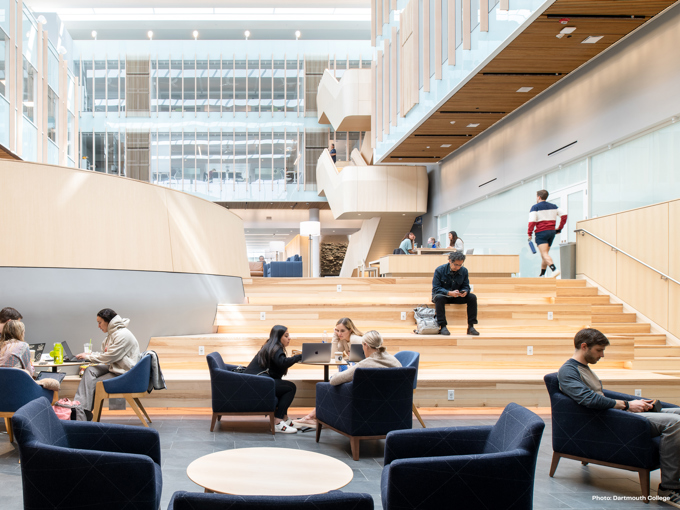
Better indoor air quality to avoid sick building syndrome
Avoiding sick building syndrome starts with creating and maintaining a healthy indoor environment. Good ventilation is essential, as fresh air helps remove stale air, pollutants, moisture, and odours from the building. Heating, ventilation, and air conditioning systems should be inspected, cleaned, and maintained regularly to ensure they are working effectively. It is also important to control moisture, repair leaks quickly, prevent mould growth, and keep workspaces clean and free from unnecessary dust and chemical exposure.
Choosing low-emission materials, using suitable cleaning products, improving lighting, reducing noise, and avoiding overcrowded layouts can also help support occupant comfort. Just as importantly, building owners and facility managers should listen to feedback from occupants and look for patterns in reported symptoms
By combining regular maintenance, good air quality, and attention to how people experience the space, it is possible to reduce the risk of sick building syndrome and create healthier, more comfortable surroundings.