
Ventilation plays a vital role in creating healthy, comfortable, and energy-efficient indoor environments. As modern buildings become increasingly airtight to meet sustainability targets, ensuring a steady flow of fresh air is more important than ever. Proper ventilation is essential to remove stale air, regulate humidity levels, and control the build-up of carbon dioxide and other indoor pollutants. Whether through natural forces or mechanical means, ventilation helps significantly to improve indoor air quality and occupant well-being. In this article, we explore the main types of ventilation systems used in contemporary buildings: natural ventilation, mechanical ventilation, and hybrid (mixed-mode) solutions. We also look at current trends in building ventilation, including smart controls, heat recovery systems, and the growing focus on user-centred design. Along the way, we highlight how WindowMaster’s intelligent systems help bring fresh, clean air into buildings.
Why ventilation matters today
As concerns around energy consumption and indoor climate continue to shape the way we design and operate buildings, the topic of ventilation has become more relevant than ever. Understanding the different types of ventilation is essential for anyone involved in modern building design. Each ventilation type offers distinct benefits and considerations, depending on the building’s structure, usage patterns, and surrounding environment. In increasingly airtight buildings, the ability to introduce fresh outdoor air and remove stale internal air is crucial for maintaining good indoor air quality. Without a proper system in place, air infiltration, moisture build-up, and rising carbon dioxide levels can quickly compromise occupant comfort and well-being.
Whether through natural ventilation systems, mechanical ventilation systems, or a mixed-mode approach, effective ventilation helps ensure healthy indoor environments while supporting energy efficiency goals. By understanding how different systems—like supply air, exhaust ventilation, or balanced ventilation—function, building professionals can make more informed decisions and meet today’s increasingly strict minimum ventilation requirements.

Natural airflow is among the most efficient types of ventilation
Among the many types of ventilation used today, natural ventilation remains a compelling choice – particularly for those aiming to reduce reliance on mechanical equipment and improve indoor comfort in a more energy efficient way. Natural ventilation systems use environmental forces like wind and thermal buoyancy to move air through carefully placed openings such as windows, vents, and doors.
By doing so, they allow outside air to replace internal air without the need for supply fans, air ducts, or mechanical heating. This approach works especially well in buildings with large windows, high ceilings, and layouts that allow air to flow freely across different spaces. It can significantly improve ventilation effectiveness and reduce maintenance costs, especially in public buildings where energy efficiency and durability are key concerns.
At WindowMaster, our natural ventilation solutions combine this simple principle with intelligent automation. Using actuators, sensors, and controllers, we ensure the right amount of air enters and exits based on real-time conditions—avoiding over-ventilation or discomfort from rapid pressure differences.
Mechanical types of ventilation help overcome design limitations
Not all types of ventilation rely on natural forces. In many buildings – especially where windows are limited or located near a busy road – mechanical systems are needed to circulate air effectively. These systems use fans and ducts to push air, introduce fresh air, and remove stale or polluted air. There are several types of mechanical ventilation. Supply systems create positive pressure, while exhaust systems pull air out. Balanced systems combine both, often working alongside air conditioning and filtration. This setup is ideal for environments affected by gases, high occupancy, or specific regulations, such as those from the World Health Organization. At WindowMaster, we help integrate mechanical ventilation into smarter, more adaptive solutions. Our systems can support fully mechanical or mixed-mode ventilation approaches – ensuring stable airflow, better energy performance, and the ability to improve air quality across a variety of building types.
Mixed Mode Ventilation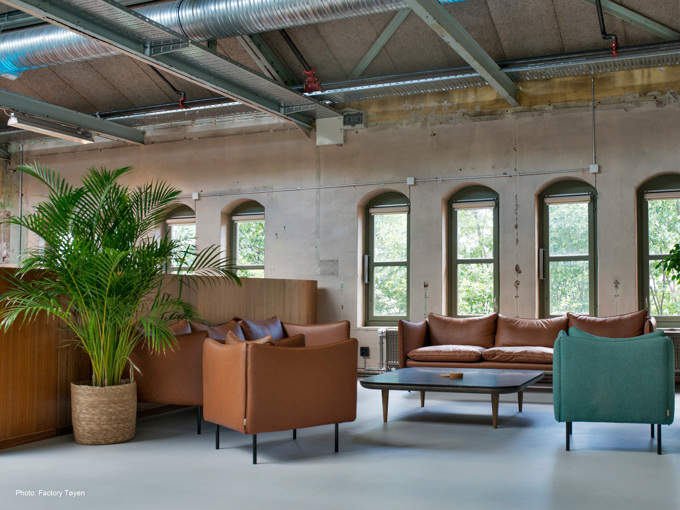
Which types of ventilation offer both flexibility and control?
Not all buildings benefit from a single approach. That’s why some types of ventilation combine the best of both worlds – using natural forces when conditions allow and switching to assisted ventilation when needed. This strategy, known as mixed-mode ventilation, offers flexibility, comfort and better energy performance across changing seasons and usage patterns.
These hybrid systems rely on careful design to coordinate air vents, sensors, and mechanical support such as fans or actuators. They help maintain a consistent ventilation rate, adapt to human behaviour, and optimise the air change rate throughout the day.
In larger or more complex environments – like buildings with industrial processes – hybrid ventilation ensures that the same amount of fresh air reaches all rooms without overloading mechanical systems. It also reduces the risk of poor maintenance causing system failure, since all the equipment isn’t running at full load at all times.
Which types of ventilation target air quality at the source?
While general ventilation handles the overall indoor climate, certain types of ventilation are designed to deal with pollutants exactly where they arise. Known as local exhaust ventilation, these systems are essential in areas where gases, moisture, or particles are generated—such as kitchens, laboratories, or spaces with industrial processes. By capturing contaminated air directly at the source, local exhaust systems help prevent unwanted substances from spreading through the building. When combined with broader systems like whole house ventilation, they contribute to a safer, healthier environment. WindowMaster supports this approach by integrating smoke ventilation and zone-specific control into intelligent building systems. Whether it’s a single air vent in a utility space or a networked response strategy in a multi-use facility, our solutions ensure that ventilation relies on both big-picture design and local detail. Because when it comes to protecting air quality, one-size-fits-all is rarely enough.
Smoke and Heat Ventilation
Which types of ventilation will shape the buildings of tomorrow?
As building standards continue to evolve and expectations for indoor comfort rise, it’s clear that different types of ventilation will remain a part of sustainable and intelligent design. From natural ventilation systems that harness the power of wind, to mechanical solutions that respond to specific needs, and hybrid setups that offer adaptive flexibility—there is no one-size-fits-all answer. Instead, successful building ventilation depends on the right combination of strategy, careful design, and technology. It requires a close look at the building’s purpose, user behaviour, and the surrounding environment.
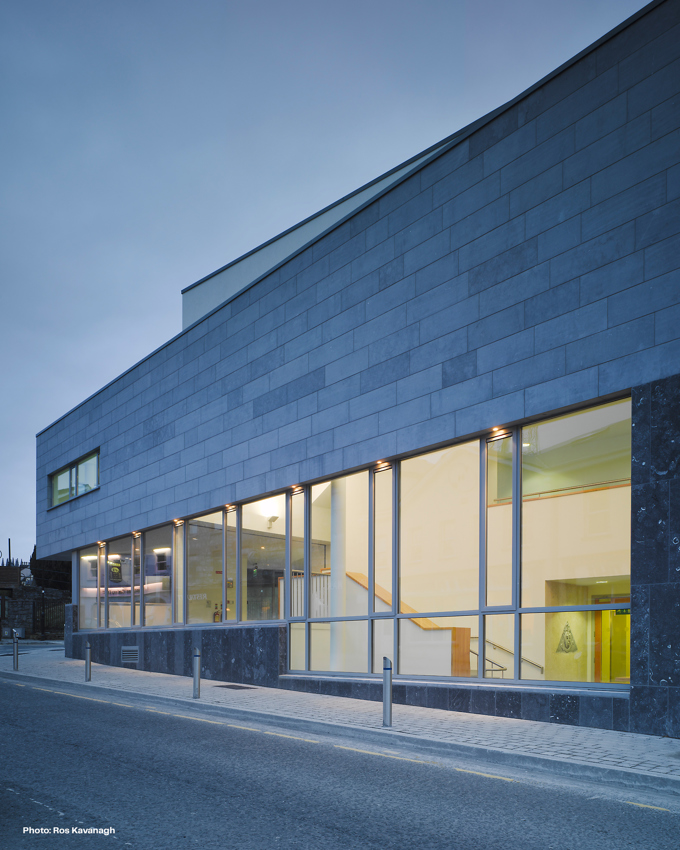
Optimize your building with smarter ventilation
At WindowMaster, we believe proper ventilation shouldn’t be an afterthought—it should be a core element of how buildings breathe. That’s why we continue to develop smart, responsive solutions that help improve air quality, reduce energy use, and create healthier spaces for everyone inside. Looking to explore the right type of ventilation for your project? Contact a specialist today. We’re always ready to help.
Contact us today
What are the three types of ventilation?
The three main types of ventilation are natural, mechanical, and hybrid (or mixed-mode). Natural ventilation uses wind and thermal buoyancy to move air, mechanical ventilation relies on fans and ducts, while hybrid systems combine both methods to optimize indoor air quality and energy efficiency based on real-time conditions.
What are the four types of ventilation systems?
The four types of ventilation systems include supply ventilation, exhaust ventilation, balanced ventilation, and natural ventilation. Supply systems bring in fresh air; exhaust systems remove stale air; balanced systems do both simultaneously; and natural ventilation leverages natural forces like wind to create airflow without mechanical equipment.
What are the four 4 purposes of ventilation?
Ventilation serves four key purposes: providing fresh air, removing indoor air pollutants (like CO₂ and volatile organic compounds), regulating humidity, and maintaining thermal comfort. Together, these functions ensure healthy indoor environments, improve wellbeing, and support energy-efficient building operations.
What are the four types of natural ventilation?
The four types of natural ventilation are single-sided ventilation, cross ventilation, stack ventilation (buoyancy-driven), and wind-driven ventilation. Each method relies on different natural forces or building layouts to introduce and circulate outdoor air through indoor spaces without mechanical assistance.