
As sustainability requirements continue to shape the future of the built environment, building certifications and assessment methods have become increasingly important in both new construction and renovation projects. Among the most widely recognised frameworks is BREEAM, which helps developers, architects, and building owners evaluate and improve environmental performance across the entire building lifecycle. From energy efficiency and indoor climate to long-term operational performance, BREEAM supports a more holistic approach to sustainable building design. For companies working with intelligent ventilation and automated natural and hybrid ventilation solutions, this creates new opportunities to contribute to healthier, smarter, and more future-ready buildings.
What is BREEAM?
BREEAM (Building Research Establishment Environmental Assessment Method) is one of the world’s leading sustainability assessment methods for buildings, infrastructure, and masterplanning projects. It provides a clear and consistent framework for evaluating how environmentally responsible a building is across its entire lifecycle – from design and construction to operation and refurbishment.
Today, BREEAM has become a key benchmark in the construction industry as demand grows for more energy-efficient, healthier, and lower-impact buildings. Whether for new developments or retrofit projects, it helps developers, designers, and building owners make better-informed decisions that support long-term sustainability goals and meet rising regulatory and market expectations.
A lifecycle approach to sustainable buildings
One of BREEAM’s key strengths is its lifecycle-based approach to sustainability. Instead of focusing only on the design phase or initial construction, it evaluates a building’s environmental performance across its entire lifespan – from early planning and design through construction, operation, and eventual refurbishment. This means that sustainability is not treated as a one-time goal, but as an ongoing responsibility. By considering long-term performance, BREEAM encourages solutions that deliver lasting value, supporting energy efficiency, indoor comfort, and resource optimisation well beyond the completion of a project.
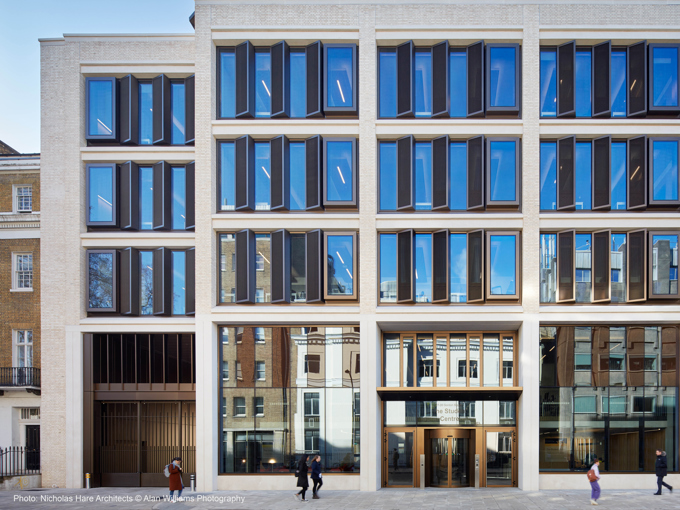
How BREEAM influences sustainable building design decisions
BREEAM has a strong influence on early-stage building design, shaping key decisions long before construction begins. To meet certification requirements and achieve higher performance ratings, architects and engineers are encouraged to carefully consider material selection, energy systems, daylight access, ventilation strategies, and overall building efficiency targets from the outset. This early integration of sustainability criteria helps ensure that environmental performance is built into the project rather than added as an afterthought, resulting in buildings that are more efficient, comfortable, and future-ready.

Indoor climate and ventilation as key BREEAM factors
Indoor environmental quality (IEQ) is a central part of BREEAM assessments, making indoor climate and ventilation key contributors to overall certification performance. Factors such as air quality, thermal comfort, access to natural ventilation, hybrid ventilation, and effective ventilation control all play an important role in how buildings are evaluated.
A well-designed indoor climate not only improves occupant health and comfort, but it also supports energy efficiency targets. This is where solutions like intelligent ventilation systems become highly relevant, as they help ensure a consistent and responsive indoor environment that aligns with BREEAM’s emphasis on performance, well-being, and sustainability.
The role of intelligent window automation in achieving BREEAM goals
Intelligent window automation plays a key role in helping buildings meet BREEAM goals, particularly when it comes to energy efficiency and indoor environmental quality. Automated window systems enable precise control of natural and hybrid ventilation, ensuring fresh air is delivered when and where it is needed, without unnecessary heat loss or energy waste. This supports reduced energy consumption while maintaining stable and comfortable indoor conditions for occupants. At the same time, smart ventilation strategies contribute to more efficient building operation by responding dynamically to changes in climate and occupancy. Together, these benefits can support the achievement of relevant BREEAM credits linked to energy performance, indoor comfort, and sustainable building management.

Why BREEAM certification adds value for developers and building owners
BREEAM certification delivers clear value for developers and building owners by strengthening a project’s sustainability credentials in a measurable and recognised way. A certified building is often more attractive on the market, supporting higher asset value and improved long-term investment potential. It can also enhance tenant appeal, as occupiers increasingly prioritise healthy, energy-efficient, and environmentally responsible buildings, leading to better attraction and retention rates.
In addition, BREEAM helps future-proof assets by aligning them with evolving environmental standards and regulations, reducing risk and ensuring long-term competitiveness in a rapidly changing built environment.
