
Automatic window openers are motorised systems designed to open and close windows without manual effort. Typically used in modern buildings, they consist of a window actuator – such as a chain or spindle drive – paired with a control system that automates operation based on time, user input, or sensor data.
Unlike manual openers or simple motorised versions with wall switches, automatic systems are fully integrated into the building’s ventilation strategy. They can react in real-time to changes in temperature, CO₂ levels, or humidity, helping to maintain a healthy and energy-efficient indoor climate.
At WindowMaster, we offer a wide range of window actuators suited for comfort ventilation, smoke extraction, and facade automation – ensuring flexibility in both design and function.
Why buildings need automatic window openers
As buildings become smarter and more responsive, the demand for electric window openers continues to rise – particularly in spaces where manual operation is impractical or unsafe. Hard-to-reach windows, roof vents, and skylights are ideal candidates for automation, allowing users to operate windows easily using a remote control, wall switch, or programmed timers. Beyond convenience, automatic systems improve security, optimise natural ventilation, and react to external conditions via rain sensors, wind sensors, or fire alarm integration. This is especially valuable in commercial buildings, schools, and modern homes, where space and safety considerations often define the design. Whether you're working with sash windows, top-hung skylights, or custom window types, WindowMaster’s electric window actuators provide solutions tailored to specific requirements – ensuring performance, comfort, and control with every installation.
More on natural ventilation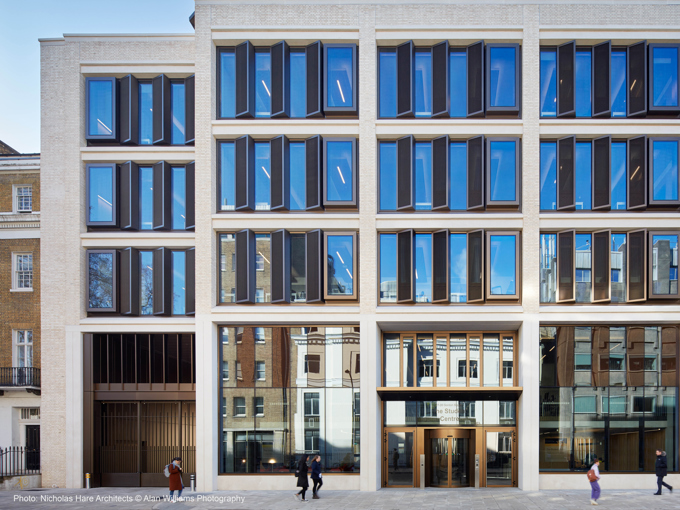
Automatic window openers benefit indoor climate and building performance
Automatic window systems do more than add comfort – they help create healthier, more energy-efficient spaces. By using electric openers and linear actuators, windows can respond dynamically to temperature, CO₂, and airflow, improving indoor air quality without relying solely on mechanical ventilation. Because the mechanism is powered by electricity and integrated with smart controllers, openings can adjust in the right direction at the right time – whether for ventilation or smoke extraction.
This dynamic functionality forms a crucial part of WindowMaster’s broader approach to intelligent building ventilation. Our solutions support both natural ventilation and mixed-mode ventilation, where electric window openers work in tandem with sensors and control systems to balance fresh air intake and energy efficiency. By enabling precise, automated airflow, these systems help buildings respond to user behaviour, occupancy levels, and climate conditions—without over-relying on mechanical HVAC. Whether installed for comfort control or regulatory needs such as smoke ventilation, automatic openers ensure that windows become active participants in building performance.
WindowMaster's solutions for smart ventilation control
At WindowMaster, we offer a wide range of automatic window openers designed to meet both functional and aesthetic requirements. Our WMX 803-model is a slim, discreet electric opener ideal for concealed installation in modern architecture, while the robust WMU 836-model is surface-mounted and suitable for sash windows, roof vents, and facade openings in larger commercial spaces. These solutions are powered by high-performance electric window actuators and can be integrated with our WCC 320-control system, enabling multi-zone control with individual settings for temperature, airflow, and schedule-based automation. Paired with sensors for rain, wind, and CO₂, our systems allow windows to respond in real time to changing conditions—improving comfort, reducing energy use, and supporting regulatory compliance. Whether for retrofit or new build, we help customers design smarter ventilation strategies that work with the building, not against it.
See our sensors & detectors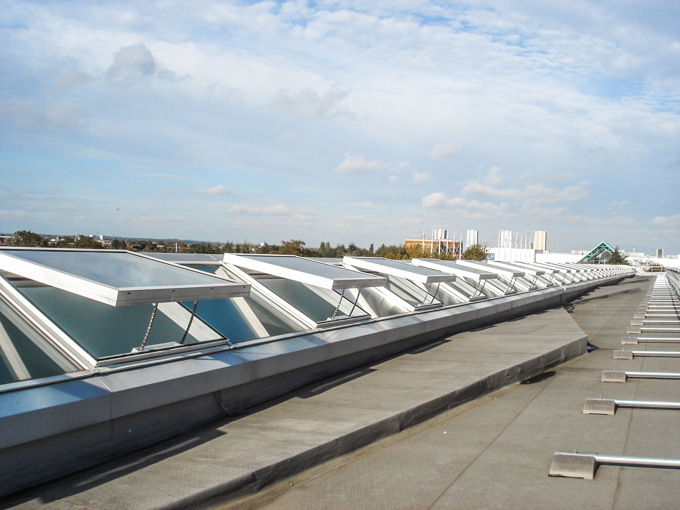
Automatic window openers make a difference
Automatic window openers are becoming a key element in smarter, healthier building design. Whether you’re working with large façades, skylights, or hard-to-reach windows, electric opening systems offer a reliable way to enhance ventilation, safety, and everyday usability.
With growing focus on energy efficiency, indoor climate, and user comfort, remote-controlled window solutions allow buildings to adapt in real time—optimizing airflow, preventing overheating, and ensuring compliance with safety standards like smoke extraction or rain response.
Ready to upgrade your building with automatic window openers?
At WindowMaster, we help customers across the UK and beyond implement intelligent, future-ready solutions tailored to their specific requirements. Our team of experts are ready to assist you in choosing the right mechanism, controls and integration approach—no matter the window type, project scale or performance need. Contact us today to hear more about how we can help you create better buildings with automatic window openers.
Contact us today
Are there remote controlled windows?
Yes, remote controlled windows are available and increasingly common in modern buildings. They use electric actuators to open and close windows via remote control, wall switches, or smart systems. These windows are ideal for hard-to-reach areas, skylights, or automated ventilation setups, and can be integrated with sensors for rain, wind, CO₂, or fire safety.
How much does an automatic window cost?
The cost of an automatic window system depends on the type of actuator, window size, control options, and installation complexity. Prices typically range from £200 to over £1,000 per window. High-end systems – like those used in commercial or smart buildings – can include sensors, controllers, and integration with BMS, which adds to the total investment.